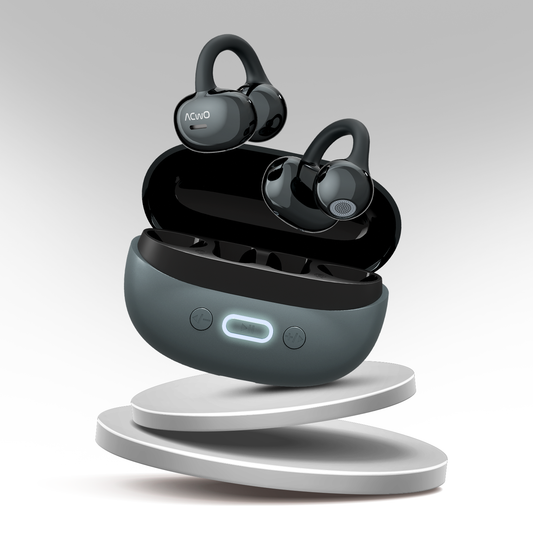

IPX Rating Explained: The Ultimate Guide to Water Resistant Earbuds & Headphones

If you’ve ever bought TWS earbuds, wireless headphones, or Bluetooth earphones, you’ve probably seen codes like IPX4 or IPX5 stamped on the box. Ever given a thought on what it actually means? In this blog, we will explain everything: IPX ratings, their full form, what the differences are, especially IPX4 vs IPX5, what “water resistant meaning” really implies, and how those ratings apply to your everyday lives.
What is an IP Rating, or Simply, What is IPX?
An IP Rating, full form stands for Ingress Protection Rating, also referred to as International Protection marking is an international standard used to indicate how well a device is protected against solids and liquids like dust and water respectively.
Sometimes, you’ll see an “X” in place of a digit - for example, IPX5. This simply means that the device hasn’t been tested or rated for that type of protection; it doesn’t mean it’s unprotected, just that no formal test has been conducted for that aspect.
IP or IPX ratings are commonly used in electronics such as smartphones, headphones, TWS earbuds, and smartwatches to help users understand how resistant the device is to dust, rain, splashes, or even immersion in water.
In short, an IP rating tells you how tough your device is against the elements, helping you choose the right product for your lifestyle.
IPX4 vs IPX5: Commonly Found Water-Resistance Levels
Frequently found in TWS earbuds and neckbands, IPX4 and IPX5 ratings indicate how well your device can handle water. Let’s see the difference:
IPX4: Splash Resistant
- Protects against water splashes from any direction.
- Ideal for light rain, sweat during workouts, or accidental splashes.
- Best for everyday casual use where water contact is minimal.
IPX5: Water Resistant
- IPX5, meaning it offers stronger protection. It can handle water sprayed at it with low pressure from any direction.
- It can survive heavier conditions like running in a downpour or when cycling outdoors.
- More reliable for people who spend time outdoors or in wet environments.
How to Find the IPX Rating
- Check the product’s specifications sheet or user manual.
- Look at marketing pages.
- For ACwO you will often find it in the FAQ or Features section.
IPX4 or IPX5? Find Out Which Water-Resistance Rating Matches Your Lifestyle
- If you work out and sweat a lot, go for IPX4 as it handles sweat and light splashes.
- If you run or cycle outdoors in the rain, choose IPX5 as this rating can resist heavier water splashes.
- If you use earbuds mostly indoors, IPX4 is sufficient.
- If you travel a lot and face unpredictable weather, IPX5 is the safer choice.
- Finally, If you just need protection from occasional splashes, IPX4 is enough.
Pro Tips on How to Keep Your Device Safe
- Always dry your device in case of water exposure.
- Avoid charging your device when it’s wet.
- Always check the seals regularly and wipe with a dry cloth to keep it water-safe.
- Follow the IPX rating, don’t test it beyond its limits.
In short, IPX ratings tell you how well your earbuds or headphones can handle water. The higher the number, the stronger the protection. IPX4 is good for sweat and light rain, while IPX5 water resistant can handle stronger sprays. Always check the IPX rating before using your device around water, and follow the care tips to keep it safe. Knowing this helps you pick the right earbuds for your lifestyle and avoid any water damage.
FAQs
It means your device can handle some water. For example, IPX4 or IPX5 shows how much water it can resist. The “X” just means it hasn’t been tested for dust.
IP stands for Ingress Protection, which means protection from things getting inside the device. The “X” means no information about dust protection.
IPX tells you how water-resistant your earbuds are. A higher number means better protection from sweat, rain, splashes, or even short drops in water.
Water-resistant means it can handle small splashes or sweat whereas Waterproof means it can survive immersion in water.
You can find the IPX rating on the product box, in the user manual, or in the online listing or features section.