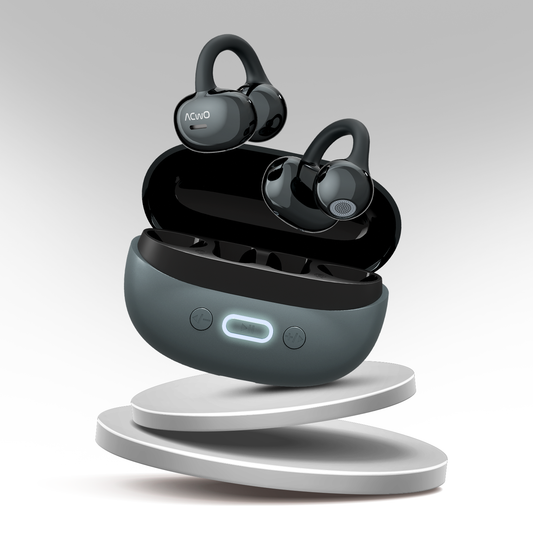

What’s the Safe Volume for Headphones? Explained Simply

Most of us love to switch off from the outside world and sink into our own space, and that’s exactly why headphones exist. They give us our “me-time”, letting us enjoy our favourite music, podcasts, or movies without distractions. But what about the safe volume for headphones ?
While high volume earphones help you escape, the volume you listen to really matters. There’s a safe listening limit your ears should never cross… So let's find out what that level is and how to protect your hearing.
Why Headphone Volume Safety Matters
Listening to your favourite audio through headphones may feel harmless and enjoyable; however, remember that the sound travels directly into your ears, making volume control extremely important. Listening at high volume for extended periods can lead to hearing loss that may not appear immediately but gradually damages your hearing, and one day it can become permanent. Prolonged high-volume listening can also cause other issues, such as ear fatigue and headaches. That’s exactly why maintaining a safe volume for headphones is essential.
Experts recommend following the 60/60 rule, which simply means listening at no more than 60% volume for no more than 60 minutes at a time. Keeping the volume low or moderate helps maintain clarity, balance, and hearing sensitivity. Lower volumes also improve battery life and reduce audio distortion. Children and young adults are especially at risk due to prolonged daily usage. Hence, maintaining a safe headphone volume is a simple habit that protects your hearing for life.
Understanding Safe Decibel Levels in Headphones
Sound is measured in decibels (dB). The higher the decibel level and the longer you listen, the greater the damage to your ears. Experts say safe volume for headphones is around 60–70 dB, while anything above 80–85 dB can become harmful, especially if you listen for a long time.
It’s not just about how loud the sound is or how many dB is safe, but it's also about how long you listen. Even moderately loud audio can damage hearing when played continuously without breaks. That’s why you should control both volume and listening time. Using volume limit settings, noise-isolating wireless headphones, and taking short breaks in between can greatly reduce the risk. Understanding these levels helps you enjoy your music while keeping your hearing safe for the future.
Signs That Your Audio Level is High
If your audio level is too high, you’re at greater risk of permanent hearing loss. To prevent this, pay attention to the warning signs below and use them as reminders to lower the volume and avoid listening to loud audio for long periods of time.- You can’t hear people talking around you while wearing headphones.
- Others nearby can hear the sound leaking from your headphones.
- Your ears feel ringing or buzzing after listening, also known as temporary tinnitus.
- Music sounds distorted or harsh instead of clear.
- You feel ear pain or pressure after listening
- You get headaches after long listening sessions
- You need to keep increasing the volume to hear properly
- Your ears feel “blocked” or dull after removing headphones
- You feel tired or irritated after long audio sessions
Safe Headphone Volume Control Tips for Audio Listening
Keeping your volume levels in check is important because sound goes directly into your ears and greatly affects your hearing health.Follow these safe volume for headphones tips for safer, better listening:
- Follow the 60/60 rule: 60% volume for no more than 60 minutes at a time.
- Take short breaks every hour to rest your ears.
- Enable the volume limiter setting on your phone or music app.
- Look for noise cancelling features such as ANC (Active Noise Cancellation) in TWS headphones so you don’t need extra volume.
- Avoid increasing volume in noisy places.
- If someone next to you can hear your music, lower it immediately.
- Start at low volume and increase gradually only if needed.
- After long listening, give your ears at least 30 minutes of silence.
- If you notice ringing or muffled hearing, stop listening and rest your ears.
FINAL THOUGHTS
Headphones no doubt give us the freedom to enjoy our favourite music and movies, but with that comes the responsibility to protect our hearing. By keeping safe volume for headphones in check, taking regular breaks, and following safe listening practices like the 60/60 rule, you can enjoy your audio without putting your ears at risk. Understanding decibel levels, recognising the warning signs of high audio, and using ANC Headphones like the ones ACwO offers make a big difference. Small habits today can preserve your hearing for a lifetime because great sound should never come at the cost of your health.